How much does an excavator bucket weigh?
The weight of an excavator bucket can vary greatly depending on its size, bucket type, width, mounting system, and design. Small buckets for mini excavators might weigh only a few tens of kilograms, while large excavator buckets can weigh several hundred kilograms or, for correspondingly large machines, significantly more.
Therefore, there is no single typical weight for an excavator bucket. It is crucial that the bucket weight, size, and mounting system are suitable for the respective excavator and intended use.
→ View digging buckets for excavators & mini excavators
Approximately how heavy is an excavator bucket?
A general statement based solely on the excavator's operating weight is not reliable. Even two buckets for the same excavator class can differ significantly in their own weight.
A narrow digging bucket, for example, can be considerably lighter than a wide grading bucket for the same excavator. Additional reinforcements, teeth, wear parts, or hydraulic components also influence the weight.
The specific empty weight should therefore always be taken from the technical data of the respective excavator bucket.
What does the weight of an excavator bucket depend on?
Several factors determine how heavy an excavator bucket is:
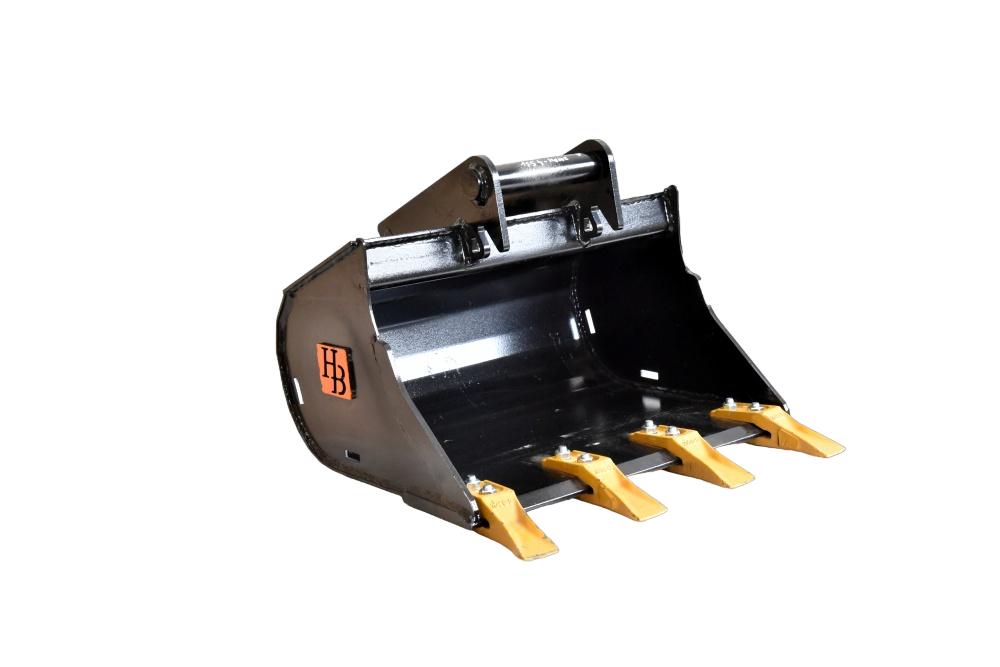
- Bucket width: A wider bucket generally requires more material and is therefore often heavier than a narrower version.
- Bucket volume: Larger buckets with higher capacity usually also have a higher empty weight.
- Construction: Material thicknesses, sidewalls, reinforcements, and wear areas influence the total weight.
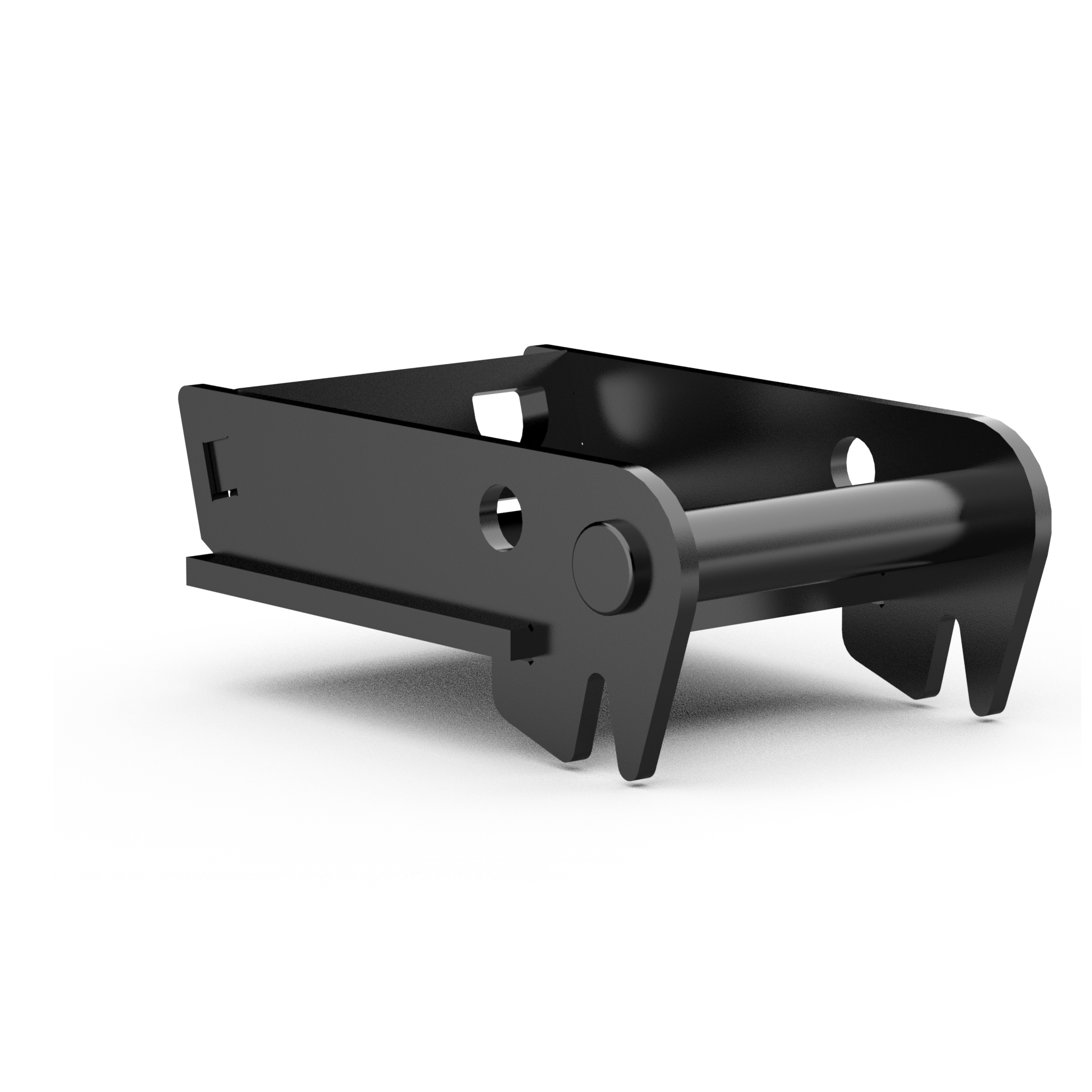
- Mounting system: The installed mounting system or mounting frame also contributes to the bucket's empty weight.
- Teeth and cutting edges: Tooth systems, cutting edges, and other wear parts also increase the weight.
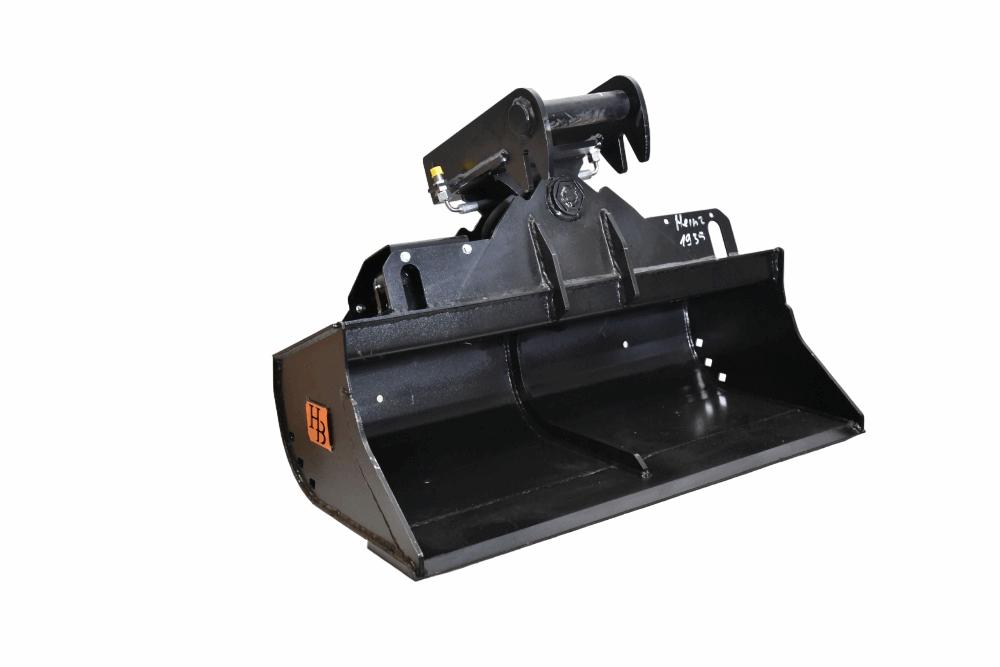
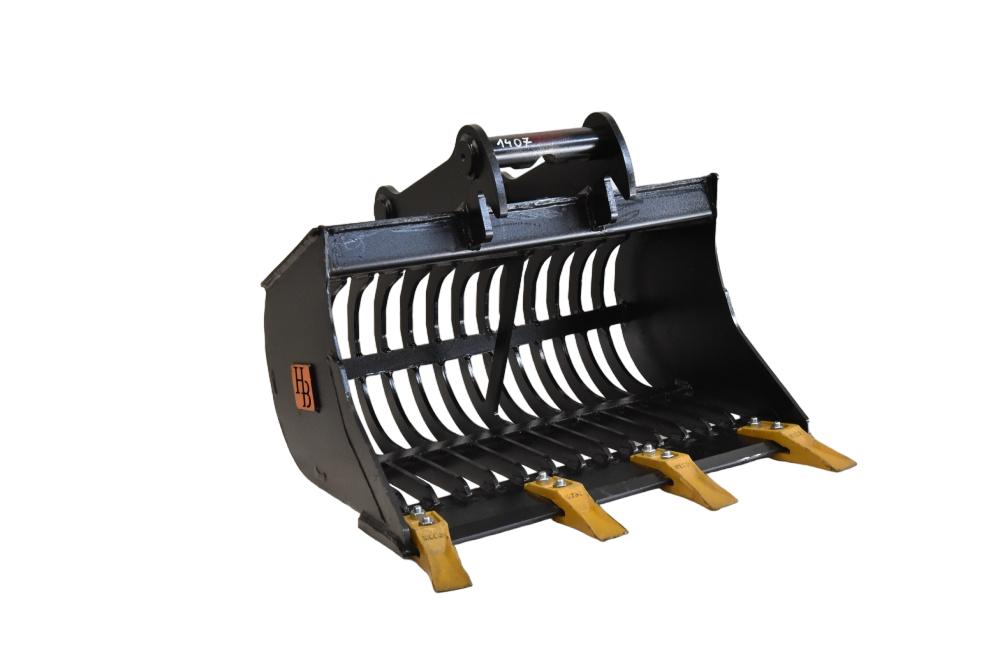
- Bucket type: Digging buckets, screening buckets, and grading buckets differ in their construction and weight due to their design.
Why is the weight of the excavator bucket important?
The empty weight of the attachment is an important factor in selection. The excavator must not only move the empty bucket but also the material it picks up during operation.
Factors such as reach, working position, bucket capacity, material weight, and machine configuration play a role.
A larger or heavier bucket is therefore not automatically the better choice.
Consider empty weight and material weight together
For the actual load, not only the empty weight of the excavator bucket is relevant. The weight of the material picked up must also be considered.
A fully filled bucket with heavy or wet material can stress the machine significantly more than the same bucket with light material.
Therefore, when selecting, both the empty weight of the bucket, its volume, and the planned use should be taken into account.
How heavy can my excavator bucket be?
A universally applicable maximum kilogram figure cannot be derived solely from the excavator's operating weight.
Which attachments are suitable for a machine depends on the technical specifications of the excavator manufacturer and the respective machine configuration. This can include, for example, boom, stick, quick coupler, counterweight, and operating conditions.
Therefore, the manufacturer's specifications and technical data of the specific machine are decisive.
How does bucket width affect weight?
The bucket width has a significant influence on size and often also on the empty weight. A narrow digging bucket for pipeline or trenching work requires less installation space than a significantly wider version.
However, the appropriate width should not be selected solely based on weight. The decisive factor is what kind of work is to be carried out with the bucket.
You can find more about selecting a digging bucket here:
→ What is a digging bucket? Use, sizes & selection
Digging buckets, screening buckets, or grading buckets – differences in weight
Different types of buckets cannot be compared by weight solely based on their width.
A digging bucket is designed for digging and excavation work. A screening bucket has a different construction for separating and sorting material. A grading bucket is often significantly wider and may have additional components depending on the design.
For a hydraulic grading bucket, for example, components for the swivel function are added. Therefore, the stated empty weight of the specific product should always be compared.
→ View digging buckets | → View screening buckets | → View hydraulic grading buckets
Which mounting system does my excavator bucket need?
In addition to weight, the mounting system of the excavator bucket must also match the existing quick coupler or the excavator's mounting system.
The mounting system cannot always be reliably determined solely based on excavator manufacturer, model, or machine weight.
If you don't know your mounting system, you can use our mounting system finder:
→ Determine excavator mounting system with the mounting system finder
Further information can also be found in our guides:
- Which excavator mounting system do I have?
- MS01, MS03, MS08, MS10 & MS21 – Dimensions and differences
- CW05, CW10, CW20, CW30 & CW40 – Dimensions and differences
What should I look for when buying?
When selecting an excavator bucket, individual values should not be considered in isolation. The interaction of the following is important:
- suitable excavator mounting system
- bucket's empty weight
- bucket width and volume
- excavator size and machine configuration
- material and application area
The technical data of the excavator and the specifications for the respective attachment should be checked before use.
Conclusion: The weight must match the excavator and the application
How much an excavator bucket weighs cannot be answered with a single kilogram figure. Depending on size, width, mounting system, and design, the spectrum ranges from small buckets weighing a few tens of kilograms to large attachments weighing several hundred kilograms or more.
The decisive factor is therefore not to choose the lightest or heaviest bucket possible, but rather an excavator bucket suitable for the machine and its intended use.
→ Discover digging buckets at Heinz Baumaschinen
You don't know your excavator mounting system yet? Use our mounting system finder or send us photos and measurements of your existing mounting system.