
Excavator Digging Buckets – Choosing the Right Size, Width, and Mount
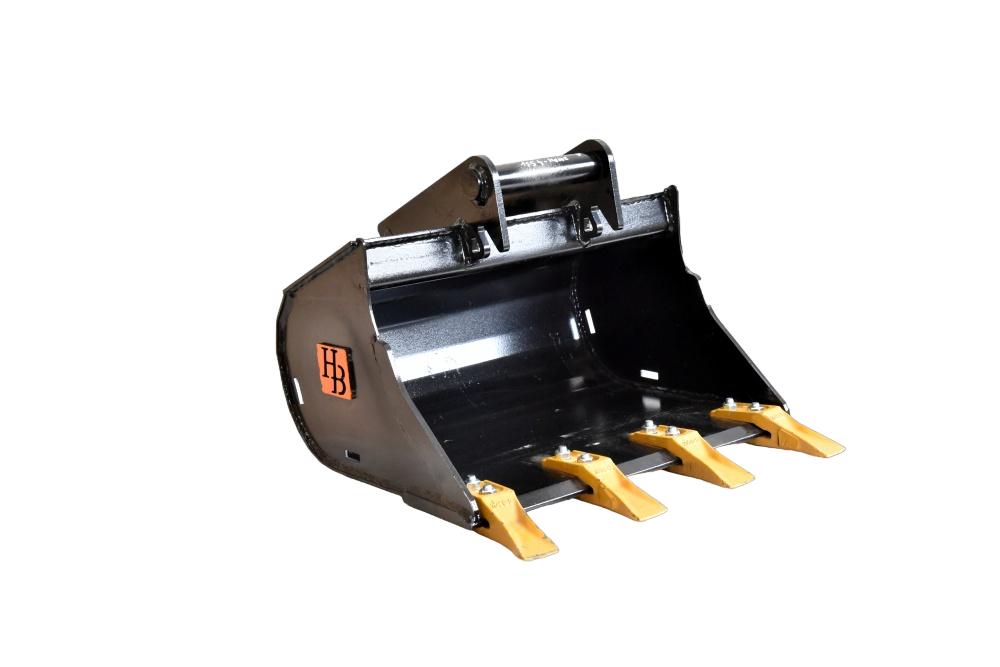
An excavator digging bucket is one of the classic attachments for digging and excavation work. However, it's not just about the digging bucket generally fitting the excavator.
For the correct selection, factors such as excavator size, bucket width, weight, mount, and intended use must be considered.
In this guide, you will learn what to look for when choosing a digging bucket and how to determine the right mount for your excavator.
→ View Digging Buckets for Excavators & Mini Excavators
What is a digging bucket used for?
Digging buckets are primarily used for classic digging and excavation work. Depending on their size and design, they can be used for various earthworks.
Typical areas of application include:
- Digging trenches
- Earth and soil excavation
- Foundation work
- Gardening and landscaping
- Sewer and pipe work
- Loading and moving suitable soil materials
A detailed explanation of the structure and use can be found in our guide:
Which digging bucket fits my excavator?
A suitable digging bucket should not be chosen solely based on the excavator manufacturer or machine weight.
Several factors are important when making your selection:
- Weight class and technical data of the excavator
- Existing excavator mount
- Desired bucket width
- Dead weight of the digging bucket
- Volume and design
- Version with or without teeth
- Intended use
The combination of machine, mount, and digging bucket must be technically compatible.
Which digging bucket width is correct?
The appropriate width of a digging bucket depends primarily on the desired digging width, the application, and the machine.
A narrower digging bucket can be useful, for example, for narrow trenches or certain pipe-laying work. For larger excavation areas, a wider version may be suitable.
However, it does not automatically mean: the wider, the better. As the size increases, the dead weight and bucket volume, among other things, change. These factors must match the machine.
Narrow or wide digging bucket?
Which version is sensible depends on the specific work. The desired digging width is often one of the most important starting points.
| Work Task | Possible Selection |
|---|---|
| Narrow trenches | Narrower digging bucket |
| Pipe and cable work | Narrow version or special cable bucket, depending on required digging width |
| General earth excavation | Standard width suitable for the machine and task |
| Larger excavation areas | Wider version possible depending on the machine |
| Grading and leveling | Often a grading bucket instead of a digging bucket |
Digging bucket with or without teeth?
Digging buckets are available with teeth or other cutting edge designs, depending on the version.
Teeth can be helpful for appropriate digging and loosening work. Which version is suitable depends, among other things, on the soil and the intended work.
Therefore, when selecting, not only the width and mount but also the cutting edge and tooth system should be considered.
How important is the weight of the digging bucket?
The dead weight of the excavator bucket is an important factor in the selection. A larger or wider bucket can have a correspondingly higher dead weight.
In addition to the empty bucket, the weight of the material picked up is added during operation.
Therefore, dead weight, volume, and the technical capabilities of the excavator should be considered together.
Learn more here:
→ How much does an excavator bucket weigh?
What mount does my digging bucket need?
One of the most important points when purchasing is the correct excavator mount. The digging bucket must fit the existing quick coupler or mounting system of the machine.
The mount should not be assumed solely based on the excavator model or weight class. Different mounting systems can be installed on comparable machines.
If you don't know your mount, you can determine it with our mount finder:
→ Determine excavator mount with the mount finder
Further information:
- Which excavator mount do I have?
- MS01, MS03, MS08, MS10 & MS21 – Dimensions & Differences
- CW05, CW10, CW20, CW30 & CW40 – Dimensions & Differences
Digging bucket or grading bucket?
Digging buckets and grading buckets serve different purposes.
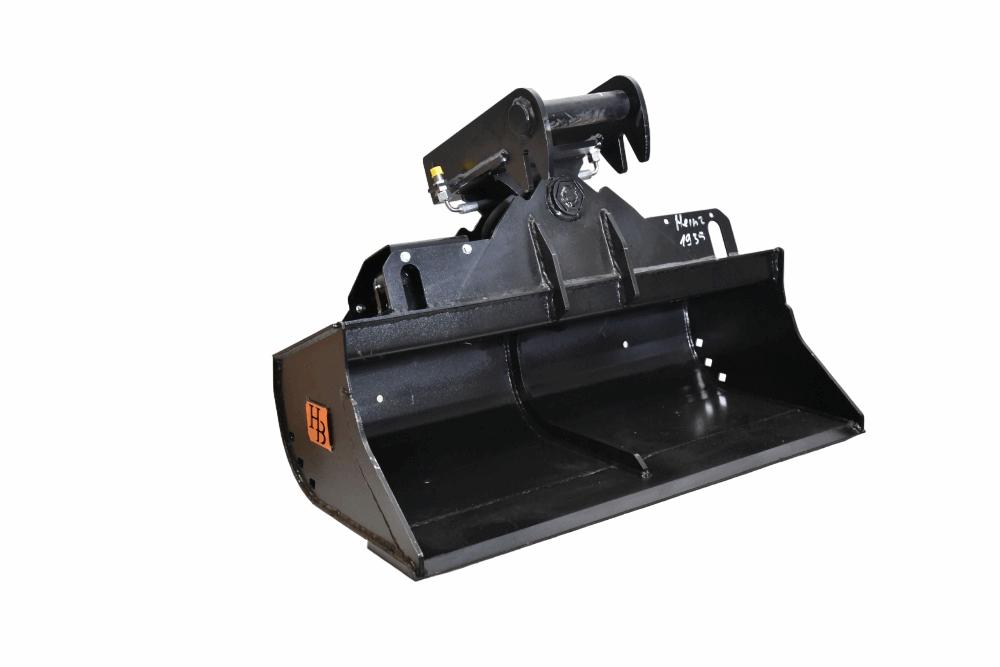
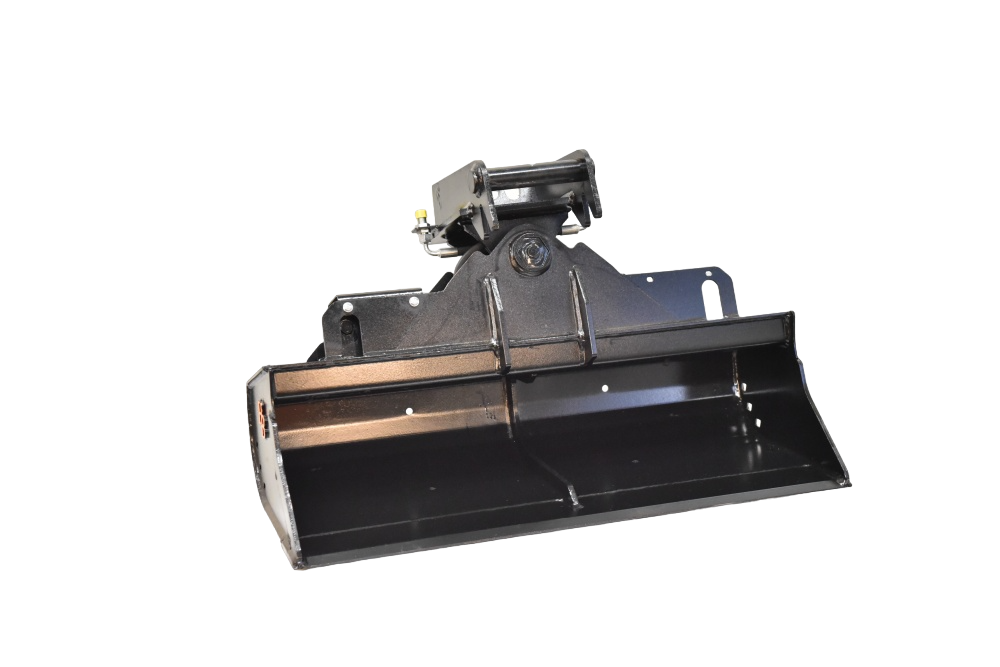
The digging bucket is primarily used for digging and excavation work. A grading bucket, on the other hand, has a wider design and is often used for clearing, grading, and profiling work.
For many earthworks, both types of buckets can therefore be used sequentially: first the digging bucket for excavation, and then the grading bucket for the corresponding surface finishing.
→ Grading Buckets: Rigid or Hydraulic?
Digging bucket or screening bucket?
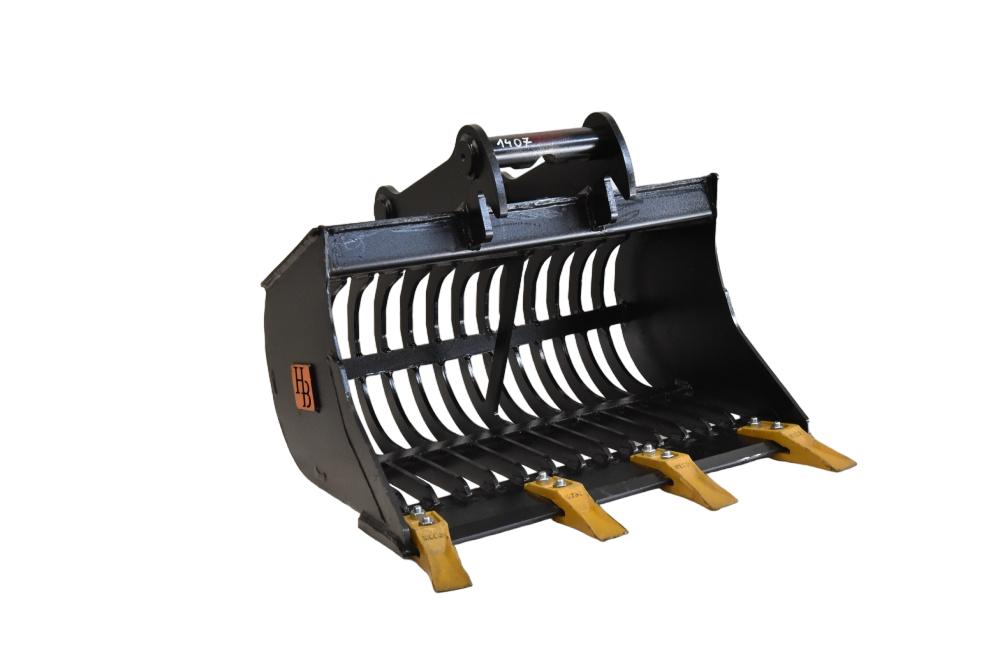
A screening bucket is also not a direct replacement for a digging bucket. It is used when suitable material needs to be separated or sieved.
A possible workflow, for example, is to first excavate material with a digging bucket and then process suitable material with a screening bucket.
→ When do I use a screening bucket?
Which excavator bucket is suitable for which job?
In addition to digging buckets, there are other excavator buckets for various tasks. These include, for example, grading buckets, screening buckets, cable buckets, and other special designs.
An overview of the different bucket types can be found here:
→ What types of excavator buckets are there?
Digging buckets for slope and earthworks
When creating a slope, a digging bucket can be used for rough excavation, for example. For subsequent profiling and grading, a grading bucket may be more suitable, depending on the work.
More about the workflow:
→ How to build a slope correctly – Incline, drainage & tools
What should I look for when buying a digging bucket?
Before making a selection, the following points should be clarified in particular:
- What mount does my excavator have?
- What digging width do I need?
- What width and volume are suitable for the machine?
- What is the dead weight of the digging bucket?
- Do I need a version with teeth?
- For which soil and earthworks will the bucket be used?
- Is the combination technically suitable for my excavator?
Conclusion: Choose the right digging bucket for your excavator and job
When choosing a digging bucket for excavators or mini excavators, not only the price or maximum width should be considered. The combination of excavator, mount, bucket width, weight, and intended use is crucial.
By considering these points before purchasing, you can select the digging bucket more specifically for the planned work.
→ View Digging Buckets for Excavators & Mini Excavators
Don't know your mount? Use our mount finder or send us photos and dimensions of your existing mount.